Life Coach Therapist: Personal Development Mentors Help People Attain Clarity And Reach Their Goals
Definition and Summary
Exactly what is a life coach!.?.!? At its core, a life coach serves as a catalyst for modification, a trusted guide who helps customers navigate the labyrinth of individual and expert difficulties. Image a garden enthusiast tending to a wild, thick garden-- through cautious pruning and nurturing, inactive prospective Certified Life Coach Online bursts into blossom. Life coaches don't offer ready-made responses; instead, they ask penetrating questions that awaken fresh perspectives.
Core Functions of a Life Coach
- Clarifying goals and aspirations
- Recognizing challenges and limiting beliefs
- Crafting actionable strategies
- Offering accountability and motivation
Have you ever felt stuck, spinning your wheels regardless of an earnest desire to move on? That's where the magic unfolds. The relationship in between coach and client is vibrant, frequently resembling a dance of discovery. Unlike treatment, which typically looks into the past, life coaching primarily focuses on today and future. It's a collaboration constructed on trust, interest, and commitment.
Imagine sitting across from someone who listens intently, not to judge but to illuminate paths you hadn't thought about. This journey isn't direct; it's more like weaving a tapestry where each thread represents a little success or insight. Life coaches harness tools from psychology, goal-setting, and motivational strategies, mixing them distinctively for each person's story.
History and Origins
Can you picture a time before the term life coach existed? The roots extend back centuries, braided with philosophies of mentorship and assistance. Ancient sages and oracles offered counsel, however modern life coaching as an occupation progressed in the late 20th century. It wasn't an abrupt creation; rather, it evolved from psychology, sports coaching, and inspirational speaking. Ever wondered why some essential figures ended up being associated with transformation? Their blend of compassion and strategy developed a new paradigm.
Consider this: early life coaches frequently obtained from cognitive-behavioral strategies, yet they combined these with holistic approaches. The shift from therapist to coach meant concentrating on goal-setting and future possibilities rather of digging up the past. This subtle however extensive difference improved personal development.
Secret Turning Points in Life Coaching Development
- 1970s: Introduction together with human prospective movement
- 1980s: Formalized training programs and certification
- 1990s: Integration of neuroscience and positive psychology
- 2000s: Expansion into corporate and executive coaching
One expert suggestion: mastering the art of effective questioning-- open-ended, reflective, and in some cases intriguing-- can open doors customers never knew existed. A famous anecdote states a coach asking, " What would your life look like if worry was not in the room?" Such questions ignite extensive self-awareness.
Checking Out Diverse Kind Of Life Coaches
Ever questioned why some individuals grow after working with a life coach, while others feel stuck? The secret frequently lies in matching the ideal coach to your unique journey. From profession navigators who untangle expert webs to wellness guides who light up courses towards holistic health, the spectrum is vast and nuanced.
Consider this: a career coach might ask, "What if your job could sustain your passion instead of drain it?" while a relationship coach difficulties, "How do your patterns form your connections?" These tailored questions cut through the sound, targeting the precise locations where transformation begins.
Specialized Coaching Categories
- Executive Coaches: Hone management abilities, enhance decision-making, and enhance presence in high-stakes environments.
- Health and Health Coaches: Craft sustainable routines, decode nutritional misconceptions, and foster psychological durability.
- Frame of mind Coaches: Break totally free from limiting beliefs, harness positivity, and cultivate mental dexterity.
- Financial Coaches: Debunk budgeting, strategize wealth growth, and align cash with core worths.
One expert idea: efficient coaches often blend modalities, weaving cognitive behavioral strategies with psychological intelligence to unlock breakthroughs. They do not just listen-- they decode your narrative's undercurrents, highlighting hidden blocks that may escape your own awareness.
What if the best obstacle isn't the external objective however the internal dialogue messing up development? Recognizing the coaching style that resonates deeply with your subconscious is the driver for enduring modification. Have you determined which coaching type stirs your aspiration the most?

Training and Accreditation: The Foundation of Effective Life Coaching
What separates a hobbyist from a real life coach!.?. !? It's the extensive training and credible accreditation that lay the foundation for impactful coaching. Envision stepping into a session armed only with interest but doing not have refined strategies-- how far can you actually guide somebody?
Numerous aspiring coaches overlook the subtle art of mastering active listening and effective questioning, skills developed through specialized programs. Training isn't just theory; it's an immersive experience where you dissect human behavior, motivation, and psychological intelligence. Anecdotes are plentiful of coaches who transformed their technique after a single practical module, suddenly unlocking customer breakthroughs that felt evasive before.
Important Parts of Training
- Comprehending cognitive behavioral structures and how to tailor them to private client needs.
- Establishing psychological resilience to navigate complex customer emotions without burnout.
- Practicing ethical borders to maintain trust and professionalism.
- Learning to develop bespoke action plans that balance aspiration with attainable milestones.
Ever wondered why some coaches stop working to motivate lasting change? It often stems from an absence of constant education and certification updates. Remaining current with brand-new methodologies and mental insights can make or break your trustworthiness. The journey of accreditation likewise fosters self-awareness, a frequently ignored quality that enhances empathy and connection.
| Training Element | Professional Idea |
|---|---|
| Communication Strategies | Practice reflective listening daily to hone customer engagement. |
| Setting goal | Use SMARTER goals-- Specific, Measurable, Attainable, Appropriate, Time-bound, Assess, and Re-adjust. |
| Self-Development | Keep a journal to track your emotional triggers and growth locations. |
Coaching Techniques and Methods
Ever discovered how a single question can decipher a knot of confusion? Life Coaches wield this tool masterfully, diving deep into the art of powerful questioning. Rather of feeding answers, they spark interest--" What if you attempted to rewrite your story?" This subtle push can pivot viewpoints greatly.
Visualizations aren't simple daydreams. They serve as bridges between where customers stand and where they desire be. Photo this: a customer frozen by indecision, yet when guided through vibrant psychological imagery, they all of a sudden peek clarity. Techniques like guided images or the "future self" workout work wonders here.
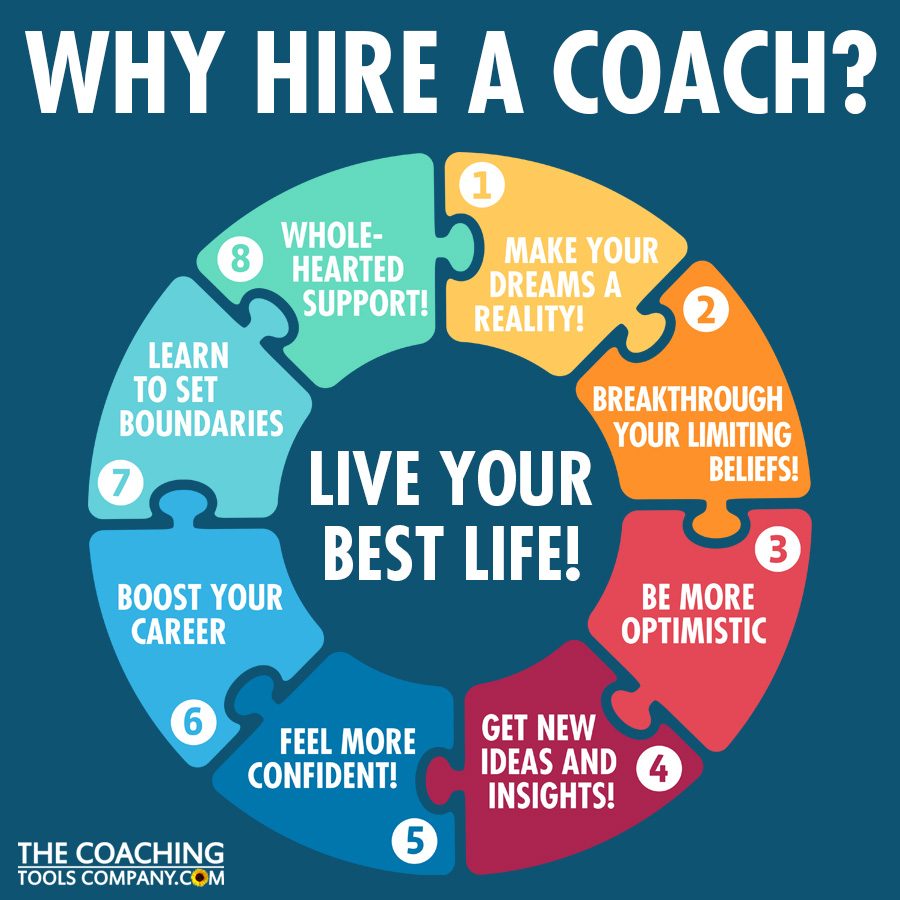
Secret Techniques Employed by Life Coaches
- Active Listening: Not simply hearing copyright but picking up emotions below them.
- Wise Goals: Crafting goals that are Specific, Quantifiable, Possible, Appropriate, and Time-bound, making sure focus and momentum.
- Reframing: Changing perceived obstacles into stepping stones.
- Accountability Structures: Creating gentle pressure with follow-ups and check-ins.
Have you ever felt stuck regardless of understanding what to do? It's often the undetectable walls of self-doubt or vague objectives. A skilled Life Coach doesn't simply give you a roadmap; they teach you to read it, adjust it, and own every twist. This blend of psychology, compassion, and method forms the foundation of efficient coaching.
Unlocking Surprise Potential Through Life Coaching
Ever felt stuck in a loop of indecision, wondering why development eludes you in spite of your efforts? Life coaching uses a compass when the fog of uncertainty thickens. Unlike therapy, it doesn't harp on the past however grooms your future frame of mind. Picture a garden enthusiast pruning a wild vine-- life coaches trim psychological clutter, allowing your true aspirations to thrive.
What makes life coaching uniquely efficient? It's the blend of accountability and tailored techniques that move you forward. A subtle but effective technique coaches use includes transforming vague goals into wise goals: Particular, Measurable, Achievable, Pertinent, and Time-bound. This method pieces through overwhelm like a sharp knife through fog.
Secret Advantages Highlighted
- Improved self-awareness resulting in more conscious options
- Improved emotional strength when dealing with unanticipated detours
- Clearer vision, helping you evade the paralysis of overthinking
- Improved motivation through routine progress check-ins
- Refined communication skills that enhance individual and professional relationships
Consider this: a customer when described their advancement moment as a "psychological light switch." This metaphor perfectly captures how life coaching can rewire internal narratives. When you begin asking, "What if I could ...?" rather of "What if I stop working?" transformation begins.
Criticism and Debates
Why do some view life coaching with hesitation? The heart of the dispute frequently lies in the blurred line between coaching and treatment. Unlike certified therapists, life coaches run without standardized guidelines, which can lead to inconsistent outcomes. Picture a client expecting deep psychological insight but getting just inspirational pep talks-- aggravation brews.
Lots of question the legitimacy of accreditations, questioning: does a weekend workshop truly gear up somebody to assist complicated human feelings? This uncertainty fuels suspect, specifically when pledges of change noise too good to be true.
Common Areas of Concern
- Absence of official mental training
- Overpromising results without clinical backing
- Prospective for dependency on coach rather than self-empowerment
- Ambiguity in ethical limits
Experienced coaches highlight openness-- clear limits and realistic goal-setting mitigate misconceptions. One tip: always verify a coach's method and request their techniques upfront. The phrase " customized assistance" needs to suggest more than just buzzwords; it needs measurable, actionable plans.
Have you noticed how some coaches use vague language to prevent accountability? This tactic often masks a lack of knowledge. In contrast, skilled specialists focus on evidence-based techniques and motivate customers to cultivate their own durability. After all, true growth isn't turned over-- it's co-created through commitment and sincere reflection.
Ethics and Expert Standards
Can a life coach truly transform lives without a foundation of trust? Envision the fragility of a bond developed on vague guarantees rather than clear, ethical borders. A coach's stability ends up being the compass assisting customers through chaos and accomplishment alike. When confidentiality wavers, so does the whole coaching relationship-- customers open up, often exposing their deepest vulnerabilities. What then happens if their stories are mishandled?
Think about these important pillars that promote professional standards in life coaching:
- Transparency: Always clarify the scope and limits of coaching. Uncertainty types confusion and mistrust.
- Confidentiality: Safeguard customer details carefully, comparable to a vault holding precious tricks.
- Competence: Continuous learning isn't optional; it's necessary. Stagnation dangers damage camouflaged as assistance.
- Borders: Psychological entanglements blur lines, so maintain a clear expert distance.
- Accountability: Admit errors honestly-- customers regard honesty more than excellence.
One veteran coach remembers a session where a client's development depended upon the coach's stringent adherence to confidentiality. That sacred area allowed raw honesty to surface area, stimulating modification. Would that have taken place if trust was compromised? Most likely not.
Specialists advise embedding ethical reflection into every coaching session. Ask yourself: "Am I serving this client's highest great, or my own program?" This concern, repeated frequently, fine-tunes judgment and fuels credibility.
Life Coaching vs Therapy: Browsing the Crossroads
Have you ever felt stuck, not broken? That's where life coaching often shines-- focusing on future goals rather than untangling past wounds. Treatment dives deep into psychological recovery, attending to psychological health intricacies, while coaching propels action with strategic clarity. Think of therapy as a lantern illuminating surprise scars; coaching, the compass pointing toward new horizons.
Consider this: a customer overwhelmed by indecision might find therapy valuable to unpack underlying anxiety. Yet, a life coach might ask, " What small step can you take today to move on?" That question can unlock momentum where introspection stalls.
Key Differences
| Aspect | Life Coaching | Treatment |
|---|---|---|
| Focus | Goal accomplishment, inspiration, accountability | Emotional recovery, psychological health, injury processing |
| Method | Action-oriented, future-driven | Reflective, previous and present exploration |
| Techniques | Strategic preparation, frame of mind shifts | Psychotherapy, cognitive behavioral methods |
Expert Insights & & Tips
- Life coaches stand out when customers look for clearness on instructions rather than psychological medical diagnosis.
- Beware of blurred lines: experts must appreciate scope limits to guarantee ethical practice.
- Reliable coaching typically incorporates NLP methods to reframe limiting beliefs swiftly.
- Regular development check-ins avoid stagnancy and maintain momentum.
- Trust your intuition: if emotional distress magnifies, treatment is the more secure harbor.